Myopia and Progressive Vision Loss: Slowing Nearsightedness Through Nutrition
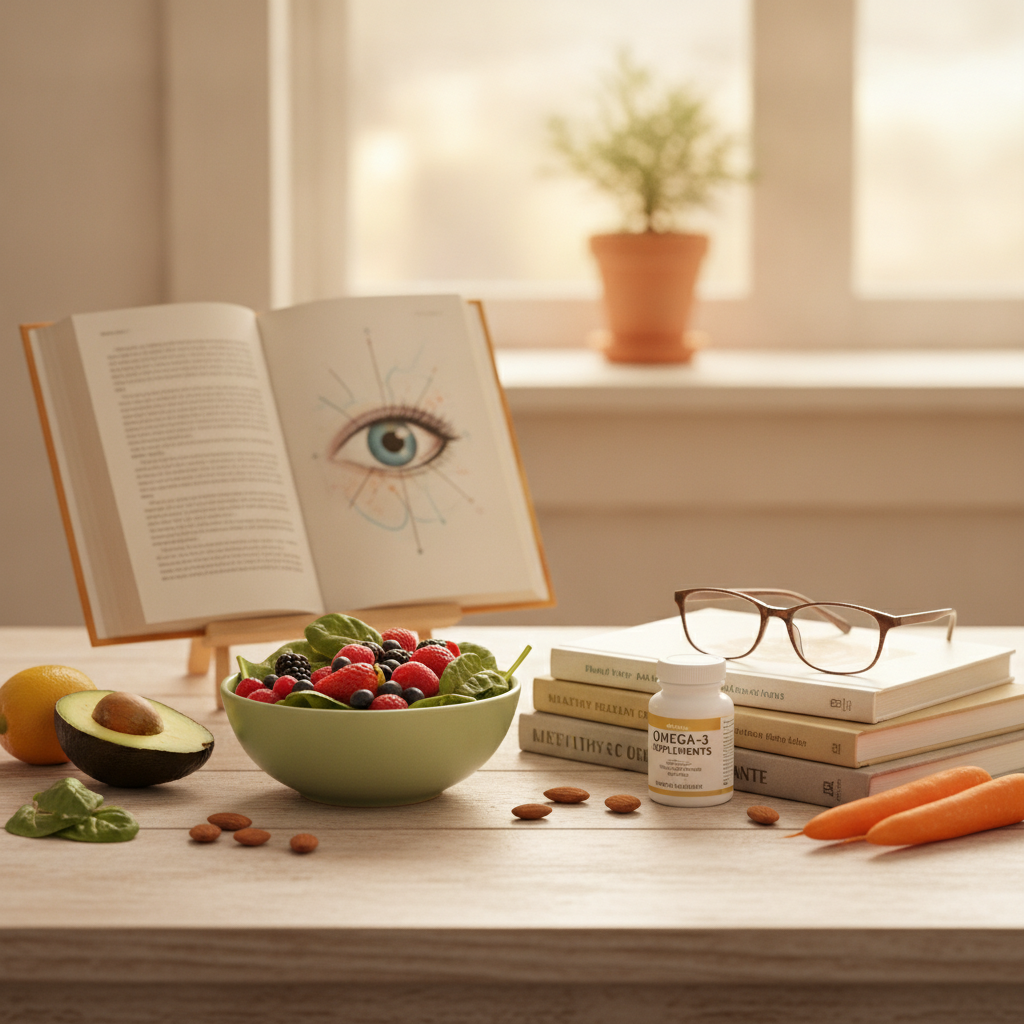
Myopia Epidemic
Myopia (nearsightedness) affects nearly one-third of the population and continues rising, particularly in children and young adults. Environmental factors significantly influence progression rates.
Risk Factors for Myopia Progression
- Prolonged near work and screen time
- Reduced outdoor time
- Genetic predisposition
- Nutritional insufficiencies
- Hyperglycemia
Protective Nutritional Factors
Vitamin D: Adequate vitamin D levels are associated with lower myopia progression. Sun exposure and supplementation (1000-4000 IU daily) provide support.
Antioxidants: Reduce oxidative stress contributing to myopic changes:
- Vitamins C and E
- Lutein and zeaxanthin
- Anthocyanins from berries
- Polyphenols from tea and other sources
Chromium: May support glucose metabolism affecting lens function.
Zinc: Supports retinal function and may slow progression.
Lifestyle Prevention
Outdoor Time: 2+ hours daily outdoor exposure is protective, particularly in children and adolescents. Natural light exposure supports proper eye development.
Screen Time Limits: Reduce continuous near work through frequent breaks and balanced activities.
Proper Lighting: Adequate illumination during near work reduces accommodation stress.
Posture: Maintaining proper distance during reading (12+ inches) reduces accommodation demand.
Physical Activity: Regular exercise associated with lower myopia progression.
For Existing Myopia
While dietary changes cannot reverse established myopia, they may slow progression rate. Combined with outdoor time and reduced near work, nutritional support provides comprehensive management.
Children and Prevention
Early intervention during childhood and adolescence provides the greatest benefit as this is when myopia typically develops and progresses rapidly.
Implementing protective measures early significantly reduces myopia severity and progression.